

Specification source:
Introduction
Gastroesophageal reflux disease, or GERD, is a chronic condition in which reflux of stomach contents into the esophagus causes repeated symptoms or complications over time. Common symptoms include heartburn and regurgitation, but GERD can also be associated with chest discomfort, swallowing symptoms, cough, hoarseness, dental erosion, erosive esophagitis, or Barrett’s esophagus in selected patients. (Authority, Guideline)
People often search for GERD because symptoms can overlap with other esophageal, stomach, airway, or cardiac conditions. Clinical guidelines describe GERD diagnosis as a combination of symptom pattern, response to medical therapy in selected cases, and objective testing when symptoms are atypical, persistent, complicated, or uncertain. (Guideline, Authority)
Treatment categories include lifestyle measures, acid-suppressing medicines, antacids or barrier therapies, and selected procedures for defined clinical scenarios. The evidence base is strongest for guideline-directed medical therapy and objective testing strategies, while supplement, local mucosal, and dietary evidence is more variable. (Guideline, Authority)
Informational only; no medical, dosing, or emergency instructions.
Quick Summary
- GERD is defined by reflux that causes repeated symptoms or complications, not by occasional reflux alone. (Authority)
- Heartburn and regurgitation are typical symptoms, but extraesophageal symptoms require cautious interpretation because they may have other causes. (Guideline)
- A weak or inappropriately relaxing lower esophageal sphincter, hiatal hernia, obesity, delayed gastric emptying, pregnancy, and certain medicines can contribute to reflux physiology. (Guideline)
- Diagnosis is often clinical in typical cases, while endoscopy, reflux monitoring, or manometry may be used when the presentation is unclear or complications are suspected. (Authority)
- PPIs are a major guideline-supported treatment category for erosive esophagitis and typical GERD symptoms, but long-term use is evaluated in context. (Guideline)
- H2 blockers, antacids, alginate-based barriers, and selected procedures are additional categories used in specific clinical contexts. (Authority)
- Supplement evidence is narrow compared with standard GERD therapy; alginate, melatonin, probiotics, and one multinutrient formula have direct human GERD-related evidence. (Review, Research)
- Dietary research has studied low-carbohydrate patterns, carbohydrate modification, Mediterranean-style patterns, and individualized elimination approaches, with variable certainty. (Review)
- Barrett’s esophagus is a GERD-related complication in some people and is addressed by separate screening and surveillance guidance. (Guideline)
What It Is (Clinical Definition & Classification)
GERD is a chronic reflux condition in which stomach contents move backward into the esophagus and produce troublesome symptoms or complications. Gastroesophageal reflux can occur occasionally without meeting the clinical concept of GERD. (Authority)
Clinical classifications include non-erosive reflux disease, erosive esophagitis, reflux hypersensitivity, functional heartburn, extraesophageal reflux syndromes, and GERD complicated by strictures or Barrett’s esophagus. Guidelines emphasize that symptom labels alone may not identify the exact reflux phenotype. (Guideline, Guideline)
GERD is not simply “too much acid.” Acid exposure, reflux volume, esophageal clearance, mucosal sensitivity, lower esophageal sphincter function, hiatal anatomy, and symptom perception all contribute.
Why It Happens (Causes & Risk Factors)
GERD develops when reflux events become frequent enough, prolonged enough, or irritating enough to cause symptoms or tissue injury. A weak or intermittently relaxing lower esophageal sphincter can allow stomach contents to move into the esophagus. (Authority)
Risk factors and contributors include hiatal hernia, higher body weight, pregnancy, smoking, some dietary patterns, late meals, impaired esophageal clearance, delayed gastric emptying, and medicines that can reduce sphincter tone or irritate the esophagus. The strength of evidence differs by factor, and individual triggers vary. (Guideline, Review)
Mechanisms / Pathophysiology
In plain terms, GERD occurs when the barrier between the stomach and esophagus does not fully prevent reflux, and the esophagus is exposed to acidic or non-acidic stomach contents. Symptoms can arise from acid exposure, distension, bile or weakly acidic reflux, inflammation, or heightened sensory response.
Technically, GERD mechanisms include transient lower esophageal sphincter relaxations, hypotensive sphincter pressure, hiatal hernia, impaired esophageal clearance, reduced mucosal defense, delayed gastric emptying, and visceral hypersensitivity. Objective testing may separate acid reflux, non-acid reflux, reflux hypersensitivity, and functional heartburn phenotypes. (Guideline, Guideline)
Symptoms, Patterns, and Differential Clues
Typical GERD symptoms are heartburn and regurgitation. Other described patterns include upper abdominal burning, sour taste, belching, nausea, sleep disruption, swallowing discomfort, chronic cough, hoarseness, or throat clearing, although extraesophageal symptoms are less specific. (Authority, Guideline)
Differential considerations include functional heartburn, reflux hypersensitivity, eosinophilic esophagitis, peptic ulcer disease, gallbladder disease, motility disorders, medication-related esophagitis, cardiac disease, and airway disorders. Clinical evaluation distinguishes these possibilities rather than relying on symptoms alone. (Guideline)
Evaluation & Diagnosis (Clinical Context)
Many typical cases are initially evaluated by history and symptom pattern. When symptoms are atypical, persistent, complicated, or not clearly explained, evaluation may include upper endoscopy, ambulatory reflux monitoring, or esophageal manometry depending on the clinical question. (Authority, Guideline)
Endoscopy can identify erosive esophagitis, strictures, Barrett’s esophagus, or alternate diagnoses. Reflux monitoring can quantify acid exposure and symptom-reflux association. Manometry is mainly used to assess motility and guide procedural planning rather than to diagnose uncomplicated GERD by itself. (Guideline)
Treatment Options Snapshot (Evidence-Graded, Descriptive Only)
Standard Medical Care (Guidelines)
- Lifestyle and behavioral measures are guideline-discussed for selected GERD patterns, including weight-related reflux, meal timing, sleep-position context, and trigger identification. (Guideline)
- Proton pump inhibitors are central in guideline-based treatment of typical GERD and erosive esophagitis. (Guideline)
- H2 receptor antagonists are used as acid-suppression options, with generally less esophagitis-healing potency than PPIs. (Authority)
- Antacids and barrier therapies are used for symptom-focused relief categories, with alginate evidence discussed separately below. (Authority)
- Objective testing is guideline-supported when GERD diagnosis is uncertain, symptoms persist despite therapy, or procedural treatment is being considered. (Guideline)
Prescription / Medical Therapies
- Proton pump inhibitors reduce gastric acid secretion and are guideline-supported for healing erosive esophagitis and controlling typical symptoms. (Guideline)
- H2 receptor antagonists reduce acid production and may be used in selected symptom patterns. (Authority)
- Antacids neutralize existing acid and are generally symptom-directed rather than disease-modifying. (FDA)
- Alginates form a raft-like barrier and have human evidence for symptom outcomes. (Review)
- Sucralfate is a mucosal protectant studied in reflux esophagitis, but it is not a dominant modern guideline category for uncomplicated GERD. (Research)
Procedures / Devices / Technologies
- Upper endoscopy is used to evaluate mucosal injury, complications, or alternate diagnoses. (Guideline)
- Ambulatory pH or pH-impedance monitoring measures reflux burden and symptom association. (Guideline)
- Esophageal manometry evaluates motility patterns and is relevant before certain procedures. (Guideline)
- Fundoplication is a surgical anti-reflux procedure considered in selected objectively confirmed GERD contexts. (Guideline)
- Magnetic sphincter augmentation and endoscopic anti-reflux approaches are procedural categories discussed for selected patients with objective evidence and appropriate anatomy. (Guideline)
Supplements / Vitamins (Research Context Only)
Available direct human supplement evidence was more limited than the evidence available for standard medical treatment categories in this condition.
Tier A (Strong / Moderate Evidence)
- Alginate formulations — Alginate-containing oral products have been studied in adults with GERD symptoms in systematic reviews and meta-analyses. Trials reported better patient-reported symptom response than placebo or antacid comparators, but formulations vary and alginates are not equivalent to all acid-suppressive medicines. Evidence: Moderate. (Review, Review)
Tier B (Limited-Mixed Evidence)
- Melatonin — Oral melatonin has been evaluated in GERD trials, including a study comparing melatonin-based therapy with acid suppression and an adjunctive trial with omeprazole. Studies reported changes in heartburn and epigastric pain scores, but sample sizes, comparators, and formulations limit broad interpretation. Evidence: Limited-Mixed. (Research, Research)
- Probiotics — Probiotic preparations have been reviewed for GERD-related symptoms, and a recent RCT studied a probiotic-containing food supplement in reflux disease. Outcomes included reflux symptom frequency and GERD symptom questionnaires, but strain-specific effects and heterogeneity limit generalization. Evidence: Limited-Mixed. (Review, Research)
Tier C (Emerging Evidence)
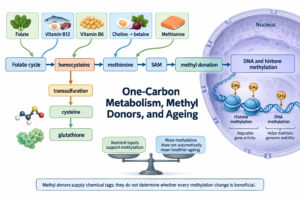
- Melatonin-amino acid-B vitamin combination — A clinical study evaluated a dietary supplement containing melatonin, l-tryptophan, vitamin B6, folic acid, vitamin B12, methionine, and betaine in GERD. The study reported GERD symptom regression, but the multi-ingredient design prevents attribution to any single nutrient. Evidence: Emerging. (Research)
Other Ingredients (Research Context Only)
- Sodium alginate / alginic acid local barrier — Alginate raft-forming formulations have been studied as local barrier therapies for reflux symptoms. Meta-analyses reported improvement in GERD symptom response, but results are formulation-specific and do not prove equivalence to all acid-suppressive treatments. Evidence: Moderate. (Review, Review)
- Hyaluronic acid plus chondroitin sulfate — Oral esophageal mucosal protective formulations containing hyaluronic acid and chondroitin sulfate have been studied in non-erosive reflux disease and related GERD symptom contexts. Trials reported changes in symptom severity scores, but evidence is product-formulation specific and not generalizable to cosmetic or skin-use forms. Evidence: Limited-Mixed. (Research, Research)
- Sucralfate suspension — Sucralfate suspension has been evaluated in randomized trials of reflux esophagitis. Outcomes included symptom improvement and endoscopic healing, but the evidence is older and the role differs from modern first-line acid suppression. Evidence: Limited-Mixed. (Research)
Dietary Sources (Research Context Only)
Direct human dietary-source evidence was narrower than the target item count.
- Low-carbohydrate dietary pattern — Low-carbohydrate interventions have been studied in adults with GERD, including obese participants and systematic-review synthesis. Outcomes included reduced distal esophageal acid exposure and improved symptom measures, but studies vary in design and may not apply to all GERD phenotypes. Evidence: Moderate. (Research, Review)
- Carbohydrate type/amount modification — Controlled dietary research has evaluated changes in carbohydrate amount and type in GERD. Reported outcomes included heartburn frequency and severity, but the study context was dietary pattern modification rather than a single food-source effect. Evidence: Limited-Mixed. (Research)
- Mediterranean dietary pattern — Mediterranean-style intake has been studied observationally in relation to GERD occurrence. The measured outcome was GERD risk association, not a randomized treatment effect, so causality remains uncertain. Evidence: Emerging. (Research)
- Individualized trigger-food elimination — Primary-care research has evaluated identifying foods reported to trigger GERD symptoms and then removing those specific foods. Outcomes included GERD symptom score change, but trigger foods differ across individuals and blinding is difficult. Evidence: Emerging. (Research)
- Test-based exclusion diet — A randomized study assessed GERD symptom response to exclusion diets based on food intolerance testing. Outcomes included symptom response, but the testing framework and reproducibility limit broad clinical interpretation. Evidence: Emerging. (Research)
- Plant-based Mediterranean-style diet with alkaline water — A retrospective study in laryngopharyngeal reflux compared a plant-based Mediterranean-style diet with alkaline water against standard reflux treatment. The outcome was Reflux Symptom Index change, but LPR is not identical to typical GERD and the combined intervention prevents isolating food effects. Evidence: Emerging. (Research)
What Research Has Studied
- Symptom response, especially heartburn and regurgitation scores. (Guideline)
- Endoscopic healing of erosive esophagitis. (Guideline)
- Esophageal acid exposure time and reflux episode burden. (Guideline)
- Symptom-reflux association during ambulatory monitoring. (Guideline)
- Barrett’s esophagus screening and surveillance outcomes. (Guideline)
- Dietary intervention endpoints such as symptom scores and acid exposure. (Review)
- Local barrier therapy outcomes such as symptom response. (Review)
Safety, Interactions & Regulatory Context
GERD medicines and procedures are evaluated according to diagnosis, symptom pattern, complications, and risk-benefit context. OTC heartburn products include antacids, H2 blockers, and PPIs, and FDA materials distinguish these categories for consumer labeling. (FDA)
Guidelines discuss long-term PPI safety using a balanced approach: associations reported in observational studies do not always prove causation, while benefits are substantial in appropriately selected GERD contexts. (Guideline)
Supplements and local mucosal products vary in formulation, regulatory category, and evidence quality. Human evidence for GERD-specific supplement outcomes is much narrower than for standard medical therapy, and multi-ingredient products create attribution problems. (Research, Review)
Evidence Overview
The strongest GERD evidence in this article comes from clinical guidelines and human studies of standard medical therapy, diagnostic testing, and procedural selection. PPIs, endoscopy, reflux monitoring, and anti-reflux procedures have clearer roles when matched to clinical phenotype and objective findings. (Guideline, Guideline)
Supplement evidence is much narrower. Alginate has the most consistent direct GERD symptom evidence among included supplement/local barrier categories, while melatonin and probiotics have smaller or more heterogeneous evidence bases. (Review, Research, Review)
Dietary research supports studying patterns rather than universal trigger lists. Low-carbohydrate approaches and carbohydrate modification have direct human intervention evidence, while Mediterranean-style patterns and elimination approaches are more limited or observational. (Review, Research)
Evidence Confidence Classification
Overall Rating: Moderate
GERD has strong guideline-level evidence for definition, diagnosis, acid suppression, and selected procedures, but intervention-layer evidence for supplements, local mucosal ingredients, and dietary sources is more uneven. (Guideline, Review)
What Does Not (Evidence Gaps)
- Apple cider vinegar — No validated GERD treatment evidence was identified in the locked source pool, and acid exposure could be conceptually relevant to symptoms. Dietary review literature emphasizes heterogeneity rather than support for this as a GERD therapy. (Review)
- Peppermint oil — GERD-specific treatment evidence was not accepted, and smooth-muscle effects create plausibility concerns for reflux in some contexts. It was excluded because qualifying GERD human outcomes were not found in the screened evidence pool. (Guideline)
- Single-food avoidance lists — Citrus, coffee, chocolate, spicy foods, and tomato foods are commonly discussed, but controlled evidence does not support a universal list for all GERD patients. Research supports individualized trigger assessment more than blanket food rules. (Review, Research)
- Vitamin or mineral monotherapy — Vitamin C, magnesium, zinc, B12, folate, and vitamin B6 alone were not accepted because GERD-specific human outcome evidence was insufficient. Multi-ingredient data cannot be attributed to one nutrient. (Research)
FAQ
1. What is GERD?
GERD is a chronic condition in which reflux of stomach contents causes repeated symptoms or complications. Occasional reflux is common, but GERD implies a more persistent or clinically meaningful pattern. (Authority)
2. What are the most typical symptoms?
Heartburn and regurgitation are the most typical symptoms. Other symptoms can occur, but they are less specific and may require broader clinical interpretation. (Guideline)
3. Can GERD occur without visible esophagitis?
Yes. Non-erosive reflux disease describes reflux symptoms without visible erosive injury on endoscopy. Objective reflux testing may be relevant when the diagnosis remains uncertain. (Guideline)
4. Is GERD always caused by too much stomach acid?
No. Acid matters, but reflux barrier function, anatomy, clearance, sensitivity, and non-acid reflux can also contribute. (Guideline)
5. How is GERD diagnosed?
Diagnosis may be based on symptoms and medical history in typical cases, with testing used when symptoms are atypical, persistent, or complicated. Tests may include endoscopy or reflux monitoring. (Authority)
6. What is erosive esophagitis?
Erosive esophagitis is visible inflammation or breaks in the esophageal lining related to reflux injury. It is one complication-oriented GERD phenotype. (Guideline)
7. What is Barrett’s esophagus?
Barrett’s esophagus is a change in the lining of the lower esophagus associated with chronic reflux in some people. It has separate screening and surveillance guidance. (Guideline)
8. Are PPIs part of standard GERD care?
Yes. PPIs are a major guideline-supported category for typical GERD symptoms and erosive esophagitis. Their use is interpreted in clinical context. (Guideline)
9. Are H2 blockers the same as PPIs?
No. Both reduce acid, but they work through different mechanisms and PPIs are generally stronger for healing erosive esophagitis. (Authority)
10. Do alginates have evidence for GERD?
Yes. Alginate formulations have human trial and meta-analysis evidence for GERD symptom outcomes, although formulations differ. (Review)
11. Does melatonin have GERD evidence?
Melatonin has been studied in GERD trials, including adjunctive therapy, but evidence remains limited and formulation-specific. (Research, Research)
12. Do probiotics have GERD evidence?
Probiotics have mixed and strain-specific GERD symptom evidence. Reviews and newer trials suggest study interest, but broad conclusions remain limited. (Review, Research)
13. Is there one best GERD diet?
No single universal GERD diet is established. Research has studied low-carbohydrate patterns, carbohydrate modification, Mediterranean-style patterns, and individualized trigger-food approaches. (Review)
14. Are food triggers the same for everyone?
No. Trigger patterns vary, and evidence supports individualized assessment more than universal avoidance lists. (Research, Review)
15. Can GERD cause throat symptoms?
Reflux can be associated with throat symptoms, cough, or hoarseness, but these symptoms are not specific to GERD. Guidelines recommend caution in attributing extraesophageal symptoms to reflux alone. (Guideline)
16. When is objective reflux testing studied?
Objective testing is studied and used when the diagnosis is uncertain, symptoms persist, or procedures are being considered. It can measure acid exposure and symptom-reflux association. (Guideline)
17. Are procedures used for GERD?
Yes, selected procedures such as fundoplication or sphincter augmentation are considered for defined cases with objective evidence. Patient selection and anatomy matter. (Guideline)
18. Are supplements a substitute for standard GERD care?
The evidence base for supplements is much narrower than for standard GERD categories. Supplement findings should be read as research context rather than as replacement guidance. (Review, Review)
Resources
ACG Clinical Guideline for the Diagnosis and Management of GERD — Guideline — https://pubmed.ncbi.nlm.nih.gov/34807007/
NIDDK Acid Reflux GER and GERD in Adults — Authority — https://www.niddk.nih.gov/health-information/digestive-diseases/acid-reflux-ger-gerd-adults
NIDDK Diagnosis of GER and GERD — Authority — https://www.niddk.nih.gov/health-information/digestive-diseases/acid-reflux-ger-gerd-adults/diagnosis
NIDDK Treatment for GER and GERD — Authority — https://www.niddk.nih.gov/health-information/digestive-diseases/acid-reflux-ger-gerd-adults/treatment
AGA Clinical Practice Update on Personalized GERD Care — Guideline — https://pubmed.ncbi.nlm.nih.gov/35123084/
ACG Guideline for Barrett’s Esophagus — Guideline — https://pubmed.ncbi.nlm.nih.gov/35354777/
FDA Over-the-Counter Heartburn Treatment — FDA — https://www.fda.gov/drugs/understanding-over-counter-medicines/over-counter-otc-heartburn-treatment
Alginate Therapy Meta-analysis — Review — https://pubmed.ncbi.nlm.nih.gov/28375448/
Alginate Formulations Systematic Review and Meta-analysis — Review — https://pubmed.ncbi.nlm.nih.gov/33275256/
Melatonin GERD Trial — Research — https://pubmed.ncbi.nlm.nih.gov/20082715/
Sublingual Melatonin Plus Omeprazole GERD Trial — Research — https://pubmed.ncbi.nlm.nih.gov/37768310/
Melatonin and Multinutrient Supplement GERD Study — Research — https://pubmed.ncbi.nlm.nih.gov/16948779/
GERD and Probiotics Systematic Review — Review — https://pubmed.ncbi.nlm.nih.gov/31906573/
Probiotic Food Supplement GERD RCT — Research — https://pubmed.ncbi.nlm.nih.gov/38892690/
Hyaluronic Acid Chondroitin Sulfate NERD Trial — Research — https://pubmed.ncbi.nlm.nih.gov/28116754/
Hyaluronic Acid Chondroitin Sulfate GERD Study — Research — https://pubmed.ncbi.nlm.nih.gov/24379055/
Sucralfate Suspension Reflux Esophagitis Trial — Research — https://pubmed.ncbi.nlm.nih.gov/3310630/
Dietary Interventions GERD Systematic Review — Review — https://pubmed.ncbi.nlm.nih.gov/38337748/
Very Low-Carbohydrate Diet GERD Study — Research — https://pubmed.ncbi.nlm.nih.gov/16871438/
Dietary Carbohydrate Modification GERD Study — Research — https://pubmed.ncbi.nlm.nih.gov/35973185/
Mediterranean Diet and GERD Study — Research — https://pubmed.ncbi.nlm.nih.gov/26175057/
Trigger-Food Elimination GERD Study — Research — https://pubmed.ncbi.nlm.nih.gov/32578044/
Test-Based Exclusion Diet GERD Trial — Research — https://pubmed.ncbi.nlm.nih.gov/25493035/
Plant-Based Mediterranean Diet and Alkaline Water LPR Study — Research — https://pmc.ncbi.nlm.nih.gov/articles/PMC5710251/
Food and GERD Review — Review — https://pubmed.ncbi.nlm.nih.gov/28521699/
SEO Metadata Suggestions (CMS Use Only)
SEO Title: GERD Clinical Overview and Evidence
Meta Description: Evidence-based GERD overview covering symptoms, causes, diagnosis, treatments, supplements, local barriers, and diet research.
Hero Image Description (CMS Use Only)
1344 × 768 px hero image showing a calm, healthy adult seated upright after a meal in a bright home setting, with no pills, bottles, capsules, jars, bowls, or supplement products. Center the text “Gastroesophageal Reflux Disease (GERD)” in Helvetica as one balanced text block.
STAGE 3 — LINK VALIDATION REPORT
• GERD definition and chronic reflux framing — NIDDK adult overview — Strong Match — Directly supports GERD as repeated symptoms or complications from reflux.
• GERD guideline diagnosis and management — ACG GERD guideline — Strong Match — Directly supports classification, diagnosis, treatment categories, and testing context.
• Personalized phenotype framing — AGA clinical practice update — Strong Match — Supports reflux phenotypes and diagnostic uncertainty.
• Barrett’s complication context — ACG Barrett’s guideline — Strong Match — Supports Barrett’s as a GERD-associated complication with separate guidance.
• OTC heartburn medicine categories — FDA OTC heartburn treatment — Strong Match — Supports antacid, H2 blocker, and PPI regulatory category framing.
• Alginate symptom response — Alginate meta-analysis and alginate systematic review — Strong Match — Supports symptom-response findings and formulation caution.
• Melatonin symptom outcomes — Melatonin GERD trial and adjunctive melatonin trial — Strong Match — Supports heartburn/epigastric pain and GERD symptom score context with limited evidence.
• Probiotic symptom outcomes — Probiotic systematic review and probiotic RCT — Strong Match — Supports GERD symptom-frequency/severity evidence and heterogeneity.
• Multinutrient formula limitation — Multinutrient GERD study — Strong Match — Supports GERD symptom regression while requiring attribution caution.
• Hyaluronic acid/chondroitin local mucosal evidence — HA/CS trials — Strong Match — Supports symptom-score outcomes in GERD/NERD contexts and formulation-specific wording.
• Sucralfate reflux esophagitis evidence — Sucralfate suspension RCT — Strong Match — Supports symptom and esophagitis outcome context.
• Dietary intervention synthesis — Dietary GERD systematic review — Strong Match — Supports low-carbohydrate and dietary intervention evidence summary.
• Very low-carbohydrate acid exposure — Low-carbohydrate GERD study — Strong Match — Supports distal esophageal acid exposure and symptom outcomes in obese GERD participants.
• Carbohydrate type/amount modification — Carbohydrate modification study — Strong Match — Supports heartburn frequency/severity outcomes in dietary modification context.
• Mediterranean pattern association — Mediterranean diet and GERD study — Strong Match — Supports association wording, not treatment-effect wording.
• Individualized trigger elimination — Trigger-food elimination study — Strong Match — Supports symptom-score outcome and individualized trigger framing.
• Test-based exclusion diet — Test-based exclusion diet trial — Strong Match — Supports randomized exclusion-diet response, with reproducibility caution.
• Plant-based Mediterranean-style diet with alkaline water — LPR study — Strong Match — Supports Reflux Symptom Index change and requires LPR-specific narrowing.
• Universal trigger-food lists and diet heterogeneity — Food and GERD review — Strong Match — Supports caution against universal trigger generalization.
All mismatches and partial matches were corrected before final output.
STAGE 4 — FINAL ARTICLE (POST-OPTIMIZATION)
[FINAL — AI-OPTIMIZED VERSION]
Refined Title
Gastroesophageal Reflux Disease (GERD) | Clinical Overview, Causes, Evidence, and Treatment Options (Research Context)
Introduction
Gastroesophageal reflux disease, or GERD, is a chronic condition in which reflux of stomach contents into the esophagus causes repeated symptoms or complications over time. Occasional reflux can happen without GERD, but GERD implies a more persistent or clinically meaningful pattern. (Authority)
GERD is commonly associated with heartburn and regurgitation. It may also be evaluated in relation to erosive esophagitis, strictures, Barrett’s esophagus, sleep disruption, chest discomfort, cough, hoarseness, or throat symptoms, although not all of these symptoms are specific to reflux. (Guideline, Guideline)
Clinical evaluation may include symptom history, response patterns, endoscopy, reflux monitoring, or motility testing, depending on the presentation. Modern GERD guidance emphasizes matching treatment and testing to the reflux phenotype rather than assuming all upper chest or throat symptoms are acid reflux. (Guideline, Guideline)
Informational only; no medical, dosing, or emergency instructions.
Quick Summary
- GERD is reflux that causes repeated symptoms or complications, while occasional gastroesophageal reflux may not meet the clinical definition of GERD. (Authority)
- Heartburn and regurgitation are typical GERD symptoms, but cough, hoarseness, throat symptoms, and chest discomfort are less specific and require broader clinical interpretation. (Guideline)
- GERD mechanisms include lower esophageal sphincter dysfunction, hiatal hernia, impaired clearance, reflux burden, mucosal injury, and symptom sensitivity. (Guideline)
- Diagnosis is often based on history in typical presentations, while endoscopy, reflux monitoring, or manometry may be used for unclear, persistent, complicated, or procedure-related contexts. (Authority, Guideline)
- Proton pump inhibitors are a major evidence-supported treatment category for typical GERD symptoms and erosive esophagitis, with safety interpreted by clinical context. (Guideline)
- H2 blockers, antacids, alginate barriers, mucosal protectants, and selected anti-reflux procedures are additional treatment categories used in defined contexts. (Authority, Guideline)
- Direct human supplement evidence was narrower than standard GERD medical evidence; alginate, melatonin, probiotics, and one multinutrient formula met inclusion criteria. (Review, Research, Review)
- Local mucosal evidence includes alginate raft-forming barriers, hyaluronic acid/chondroitin sulfate formulations, and sucralfate suspension, but evidence is formulation-specific. (Review, Research, Research)
- Dietary research has studied low-carbohydrate patterns, carbohydrate modification, Mediterranean-style patterns, and individualized elimination approaches, with variable certainty. (Review, Review)
What It Is (Clinical Definition & Classification)
GERD is a chronic reflux disorder in which stomach contents move backward into the esophagus and cause troublesome symptoms or complications. In plain language, the stomach-to-esophagus barrier does not fully prevent reflux, and the reflux becomes clinically important because of symptom burden or tissue effects. (Authority)
Clinically, GERD can include non-erosive reflux disease, erosive esophagitis, peptic stricture, reflux-related chest symptoms after appropriate evaluation, and GERD associated with Barrett’s esophagus. Some people with reflux-like symptoms have reflux hypersensitivity or functional heartburn rather than abnormal reflux burden. (Guideline, Guideline)
GERD is not defined by self-diagnosis, a single symptom, or one food trigger. Its clinical meaning depends on symptom pattern, objective findings when used, complications, and exclusion of other explanations where relevant.
Why It Happens (Causes & Risk Factors)
GERD happens when reflux events become frequent, prolonged, irritating, or poorly cleared. A weak lower esophageal sphincter, transient sphincter relaxations, hiatal hernia, impaired esophageal clearance, delayed gastric emptying, and mucosal sensitivity can all contribute. (Guideline)
Risk factors and contributors include higher body weight, pregnancy, smoking, hiatal hernia, certain meal patterns, and some medications that affect sphincter pressure, gastric emptying, or esophageal irritation. Diet can matter, but evidence does not support a single universal food-avoidance list for everyone with GERD. (Guideline, Review)
GERD also varies by phenotype. For example, erosive esophagitis reflects visible mucosal injury, while reflux hypersensitivity may involve symptoms linked to physiologic reflux levels. This is why guidelines emphasize careful phenotype assessment when symptoms persist or the diagnosis is uncertain. (Guideline)
Mechanisms / Pathophysiology
In simple terms, GERD develops when refluxed stomach contents reach the esophagus often enough to cause symptoms or lining injury. Acid is important, but reflux can also involve weakly acidic or non-acid material, volume distension, bile components, impaired clearance, and heightened nerve sensitivity.
More technically, GERD mechanisms include transient lower esophageal sphincter relaxations, low sphincter pressure, hiatal hernia, impaired esophageal peristalsis, delayed gastric emptying, reduced mucosal defense, and visceral hypersensitivity. Ambulatory reflux testing can help distinguish abnormal acid exposure, symptom-reflux association, reflux hypersensitivity, and functional heartburn phenotypes. (Guideline, Guideline)
Symptoms, Patterns, and Differential Clues
Typical symptoms are heartburn and regurgitation. GERD may also be discussed in relation to sour taste, upper abdominal burning, sleep disruption, swallowing symptoms, chronic cough, hoarseness, or throat clearing, but these symptoms are not specific to GERD and may arise from other conditions. (Authority, Guideline)
Differential considerations include reflux hypersensitivity, functional heartburn, eosinophilic esophagitis, peptic ulcer disease, esophageal motility disorders, medication-related esophagitis, gallbladder disease, airway disease, and cardiac conditions. The overlap is one reason clinical guidelines separate typical GERD symptoms from atypical or extraesophageal presentations. (Guideline)
Evaluation & Diagnosis (Clinical Context)
Clinical evaluation often begins with symptom history, medication history, risk factors, and symptom pattern. In typical presentations, GERD may be managed clinically, while testing is more commonly discussed when symptoms are atypical, persistent, complicated, or when objective confirmation is important. (Authority, Guideline)
Upper endoscopy can identify erosive esophagitis, Barrett’s esophagus, strictures, or alternative diagnoses. Ambulatory pH or pH-impedance monitoring can measure acid exposure and symptom-reflux association. Esophageal manometry evaluates motility and is especially relevant when procedural treatment is being considered. (Guideline, Guideline)
Treatment Options Snapshot (Evidence-Graded, Descriptive Only)
Standard Medical Care (Guidelines)
- Lifestyle and behavioral measures are guideline-discussed for selected GERD patterns, including weight-related reflux, meal timing, sleep-position context, and individualized trigger identification. (Guideline)
- Proton pump inhibitors are a central guideline-supported treatment category for typical GERD symptoms and erosive esophagitis. (Guideline)
- H2 receptor antagonists are acid-suppression medicines used in selected symptom contexts, with less esophagitis-healing potency than PPIs in guideline summaries. (Authority)
- Antacids and local barrier therapies are symptom-directed categories, while alginate-specific evidence is summarized separately because it has direct human GERD symptom data. (FDA, Review)
- Objective testing is guideline-supported when diagnosis is uncertain, symptoms persist despite therapy, or procedural treatment is under consideration. (Guideline)
Prescription / Medical Therapies
- Proton pump inhibitors reduce gastric acid secretion and are strongly represented in GERD guideline evidence, especially for erosive esophagitis and typical symptoms. (Guideline)
- H2 receptor antagonists reduce acid production through a different pathway and remain a recognized treatment category. (Authority)
- Antacids neutralize existing acid and are generally used as symptom-directed nonprescription medicines. (FDA)
- Alginate-containing products form a local raft-like barrier and have human evidence for GERD symptom response. (Review, Review)
- Sucralfate is a mucosal protectant studied in reflux esophagitis, though it is not the dominant modern first-line category for typical GERD. (Research)
Procedures / Devices / Technologies
- Upper endoscopy is used to assess mucosal injury, strictures, Barrett’s esophagus, and alternative diagnoses. (Guideline)
- Ambulatory pH monitoring measures acid exposure and helps clarify reflux burden in selected contexts. (Guideline)
- pH-impedance monitoring can assess acid and non-acid reflux and symptom-reflux association. (Guideline)
- Esophageal manometry evaluates esophageal motility and helps guide procedural decision-making. (Guideline)
- Anti-reflux surgery and selected endoscopic or sphincter-augmentation approaches are procedural categories considered in carefully selected patients with objective evidence and appropriate anatomy. (Guideline)
Supplements / Vitamins (Research Context Only)
Available direct human supplement evidence was more limited than the evidence available for standard medical treatment categories in this condition.
Tier A (Strong / Moderate Evidence)
- Alginate formulations — Alginate-containing oral formulations have been studied in adults with GERD symptoms in systematic reviews and meta-analyses. Studies reported better patient-reported GERD symptom response than placebo or antacid comparators, but formulations differ and the findings do not apply to every reflux phenotype or every alginate product. Evidence: Moderate. (Review, Review)
Tier B (Limited-Mixed Evidence)
- Melatonin — Oral and sublingual melatonin have been studied in GERD populations, including trials with acid-suppression comparators or add-on use. Reported outcomes included heartburn and epigastric pain scores, but sample sizes, formulations, and comparator designs limit broad conclusions. Evidence: Limited-Mixed. (Research, Research)
- Probiotics — Probiotic preparations have been evaluated in a GERD symptom systematic review and in a randomized study of a probiotic-containing food supplement. Reported outcomes included reflux symptom frequency and GERD questionnaire scores, but evidence is strain-specific, heterogeneous, and not generalizable to all probiotic products. Evidence: Limited-Mixed. (Review, Research)
Tier C (Emerging Evidence)
- Melatonin-amino acid-B vitamin combination — A human GERD study evaluated a multi-ingredient supplement containing melatonin, l-tryptophan, vitamin B6, folic acid, vitamin B12, methionine, and betaine. The study reported GERD symptom regression, but the combined formula prevents assigning the outcome to any single vitamin, amino acid, or melatonin component. Evidence: Emerging. (Research)
Topical / Cosmetic Ingredients (Research Context Only)
Available direct human topical/local evidence was limited for this condition.
- Sodium alginate / alginic acid local barrier — Alginate raft-forming formulations have been studied as local barrier therapies that act at the gastroesophageal junction after oral intake. Meta-analyses reported improvement in GERD symptom response, but results are formulation-specific and do not establish equivalence to all acid-suppressive therapies. Evidence: Moderate. (Review, Review)
- Hyaluronic acid plus chondroitin sulfate — Esophageal mucosal protective formulations containing hyaluronic acid and chondroitin sulfate have been studied in non-erosive reflux disease and related GERD symptom contexts. Human trials reported changes in reflux symptom severity scores, but evidence is specific to oral esophageal formulations and should not be generalized to cosmetic, joint, or skin-use forms of these ingredients. Evidence: Limited-Mixed. (Research, Research)
- Sucralfate suspension — Sucralfate suspension has been evaluated in randomized human studies of reflux esophagitis. Reported outcomes included symptom improvement and endoscopic healing, but the evidence base is older and its role differs from modern first-line acid-suppression strategies. Evidence: Limited-Mixed. (Research)
Dietary Sources (Research Context Only)
Direct human dietary-source evidence was narrower than the target item count.
- Low-carbohydrate dietary pattern — Low-carbohydrate interventions have been studied in adults with GERD, including obese participants and systematic-review synthesis. Outcomes included reduced distal esophageal acid exposure and improved GERD symptom measures, but study designs and populations vary. Evidence: Moderate. (Research, Review)
- Carbohydrate type/amount modification — Controlled dietary research has evaluated changes in carbohydrate amount and type among adults with GERD symptoms. Reported outcomes included heartburn frequency and severity, but this evidence concerns overall carbohydrate modification rather than a single food item. Evidence: Limited-Mixed. (Research)
- Mediterranean dietary pattern — Mediterranean-style dietary adherence has been studied observationally in relation to GERD occurrence. The measured outcome was GERD risk association, not a randomized treatment response, so causality and symptom-change interpretation remain limited. Evidence: Emerging. (Research)
- Individualized trigger-food elimination — A primary-care human study evaluated identifying patient-reported trigger foods and removing those foods from the diet. Outcomes included GERD symptom score change, but trigger patterns differed across people and the design limits generalization to universal avoidance rules. Evidence: Emerging. (Research)
- Test-based exclusion diet — A randomized study evaluated exclusion diets based on food-intolerance testing in people with GERD symptoms. The study measured GERD symptom response, but the testing approach, reproducibility, and broader applicability remain uncertain. Evidence: Emerging. (Research)
- Plant-based Mediterranean-style diet with alkaline water — A retrospective study evaluated laryngopharyngeal reflux using a plant-based Mediterranean-style diet combined with alkaline water. The measured outcome was Reflux Symptom Index change, but LPR is not identical to typical GERD and the combined intervention prevents isolating the effect of the dietary pattern alone. Evidence: Emerging. (Research)
What Research Has Studied
- Heartburn, regurgitation, and patient-reported GERD symptom scores. (Guideline)
- Endoscopic healing of erosive esophagitis and mucosal injury grading. (Guideline)
- Esophageal acid exposure time during ambulatory reflux monitoring. (Guideline)
- Acid and non-acid reflux episode burden using pH-impedance monitoring. (Guideline)
- Symptom-reflux association and phenotype classification. (Guideline)
- Barrett’s esophagus screening, diagnosis, surveillance, and progression-risk context. (Guideline)
- Dietary intervention outcomes such as symptom scores, heartburn frequency, and acid exposure. (Review, Research)
- Local barrier and mucosal-protective outcomes such as GERD symptom response and reflux symptom severity scores. (Review, Research)
Safety, Interactions & Regulatory Context
GERD treatment categories differ in purpose, evidence base, and regulatory status. FDA consumer materials describe OTC heartburn categories including antacids, H2 blockers, and PPIs, while clinical guidelines place these medicines within broader diagnosis and treatment pathways. (FDA, Guideline)
PPI safety is interpreted through benefit-risk context. The ACG guideline notes that many long-term PPI safety concerns come from observational associations, while PPIs have clear benefits in appropriately selected GERD contexts such as erosive esophagitis. (Guideline)
Supplements, probiotics, multinutrient products, and local mucosal formulations vary widely by formulation and regulatory category. Evidence from one strain, formula, or esophageal barrier product should not be generalized to all products with similar ingredient names. (Review, Research, Research)
Dietary evidence is also context-specific. Low-carbohydrate and carbohydrate-modification studies measured outcomes in defined study populations, while food-trigger studies suggest individual variability rather than a universal GERD diet. (Review, Research, Review)
Evidence Overview
The most established GERD evidence concerns clinical definition, diagnostic testing, acid-suppression therapy, and selected procedural treatment. ACG and AGA guidance support a phenotype-based approach that distinguishes typical GERD, erosive disease, non-erosive reflux disease, reflux hypersensitivity, functional heartburn, and extraesophageal symptom contexts. (Guideline, Guideline)
The supplement evidence base is substantially narrower. Alginate formulations have the most consistent direct GERD symptom evidence among included supplement/local barrier categories, while melatonin and probiotics have smaller, more heterogeneous, or formulation-specific evidence. (Review, Review, Research)
Local mucosal evidence is condition-relevant but limited in item count. Alginate barriers, hyaluronic acid/chondroitin sulfate esophageal formulations, and sucralfate suspension have direct human reflux-related evidence, but each is tied to specific formulation, population, or historical treatment context. (Review, Research, Research)
Dietary research supports studying patterns and individualized responses rather than universal food rules. Low-carbohydrate diets and carbohydrate modification have direct intervention evidence for reflux-related outcomes, while Mediterranean-style patterns and elimination approaches are either observational, individualized, or early-stage. (Review, Research, Research)
Overall, GERD is an evidence-rich condition for standard clinical care but a more uneven condition for supplements, local mucosal ingredients, and diet. The safest interpretation is to keep claims tied to the exact studied population, product type, outcome, and study design.
Evidence Confidence Classification
Overall Rating: Moderate
The overall evidence confidence is Moderate because GERD has strong guideline-level evidence for clinical definition, diagnostic pathways, acid-suppressive treatment, and selected procedures, while supplement, local mucosal, and dietary-source evidence is narrower and more heterogeneous. (Guideline, Guideline, Review)
What Does Not (Evidence Gaps)
- Apple cider vinegar — No qualifying GERD-specific human treatment evidence was accepted in the locked evidence pool. GERD diet reviews emphasize heterogeneity and do not support this as a proven GERD intervention. (Review)
- Peppermint oil — No qualifying GERD-specific human treatment evidence was accepted for peppermint oil. Because GERD mechanisms include lower esophageal sphincter function, mechanism-based assumptions are not enough to support a GERD treatment claim. (Guideline)
- Universal trigger-food avoidance lists — Foods such as citrus, chocolate, coffee, spicy foods, tomato products, and fried foods are commonly discussed, but the evidence does not establish one universal avoidance list for all people with GERD. Individualized trigger-food research is narrower than blanket diet rules. (Review, Research)
- Single vitamin or mineral monotherapy — Vitamin C, magnesium, zinc, vitamin B12, folate, and vitamin B6 alone did not meet GERD-specific human outcome criteria in the screened evidence pool. A multi-ingredient formula cannot prove that one nutrient caused the reported GERD symptom outcome. (Research)
- Cosmetic or skin-use hyaluronic acid/chondroitin products — GERD-relevant evidence concerns oral esophageal mucosal formulations, not topical cosmetic products. Ingredient-name similarity does not justify cross-use claims. (Research, Research)
FAQ
1. What is GERD?
GERD is a chronic reflux condition in which stomach contents reflux into the esophagus and cause repeated symptoms or complications. Occasional reflux can occur without meeting the clinical meaning of GERD. (Authority)
2. What symptoms are most typical?
Heartburn and regurgitation are the most typical GERD symptoms. Other symptoms, such as cough or hoarseness, may be discussed in reflux evaluation but are less specific. (Guideline)
3. Can GERD occur without erosive esophagitis?
Yes. Non-erosive reflux disease is a recognized GERD phenotype in which symptoms occur without visible erosive injury on endoscopy. Some reflux-like symptoms may also reflect reflux hypersensitivity or functional heartburn. (Guideline)
4. Is GERD always caused by too much acid?
No. Acid exposure is important, but reflux barrier function, hiatal hernia, esophageal clearance, reflux volume, mucosal sensitivity, and non-acid reflux can also contribute. (Guideline)
5. How is GERD usually evaluated?
Typical GERD may be evaluated through history and symptom pattern. Endoscopy, reflux monitoring, or manometry may be used when the diagnosis is uncertain, symptoms persist, complications are suspected, or procedural treatment is being considered. (Authority, Guideline)
6. What is erosive esophagitis?
Erosive esophagitis is visible injury or inflammation in the esophageal lining associated with reflux. It is one complication-oriented GERD phenotype and is commonly evaluated by endoscopy. (Guideline)
7. What is Barrett’s esophagus?
Barrett’s esophagus is a change in the lining of the lower esophagus associated with chronic reflux in some people. It is addressed by separate screening and surveillance guidance. (Guideline)
8. Are PPIs part of evidence-based GERD care?
Yes. Proton pump inhibitors are a major guideline-supported category for typical GERD symptoms and erosive esophagitis. Their safety and duration are interpreted in clinical context. (Guideline)
9. Are H2 blockers the same as PPIs?
No. H2 blockers and PPIs both reduce acid, but they work differently. NIDDK summarizes PPIs as generally better than H2 blockers for healing the esophageal lining in many GERD contexts. (Authority)
10. Do antacids treat the underlying disease?
Antacids neutralize existing stomach acid and are generally symptom-directed. They are one OTC heartburn category described by FDA consumer materials. (FDA)
11. Do alginates have GERD evidence?
Yes. Alginate formulations have human trial and meta-analysis evidence for GERD symptom response. The evidence is formulation-specific and should not be generalized to every product or every reflux phenotype. (Review, Review)
12. Does melatonin have GERD evidence?
Melatonin has been studied in GERD trials, including adjunctive use with acid suppression. Findings are limited by study size, formulation differences, and comparator design, so broad claims are not supported. (Research, Research)
13. Do probiotics have GERD evidence?
Probiotics have been studied for reflux symptoms, and a recent RCT evaluated a probiotic-containing supplement. Evidence remains strain-specific and heterogeneous rather than a general conclusion about all probiotics. (Review, Research)
14. Is there one best GERD diet?
No single best GERD diet is established for everyone. Human research has studied low-carbohydrate patterns, carbohydrate modification, Mediterranean-style adherence, and individualized elimination approaches. (Review, Review)
15. Are food triggers the same for everyone?
No. Trigger patterns vary across individuals, and research supports individualized trigger identification more than universal food bans. (Research, Review)
16. Can GERD cause throat symptoms?
Reflux can be associated with throat symptoms, cough, or hoarseness, but these symptoms are not specific to GERD. Guidelines emphasize caution when attributing extraesophageal symptoms to reflux alone. (Guideline)
17. What does reflux monitoring measure?
Reflux monitoring can measure acid exposure and symptom-reflux association. pH-impedance monitoring can also assess non-acid reflux events in selected contexts. (Guideline)
18. Are procedures used for GERD?
Yes. Anti-reflux procedures are considered for selected patients with objective evidence and appropriate anatomy. Procedures are not interchangeable with symptom-only self-labeling of GERD. (Guideline)
19. Are supplements a substitute for standard GERD care?
The direct human supplement evidence base is much narrower than the evidence base for standard GERD medical and diagnostic categories. Supplement findings are best interpreted as research context tied to specific formulations and outcomes. (Review, Review)
20. Why do studies disagree about diet and GERD?
Diet studies differ by population, GERD phenotype, dietary pattern, outcome measure, and whether the study tests a single exposure or a full eating pattern. This makes broad diet claims less certain than claims about specific studied outcomes. (Review, Review)
Resources
ACG Clinical Guideline for the Diagnosis and Management of GERD — Guideline — https://pubmed.ncbi.nlm.nih.gov/34807007/
NIDDK Acid Reflux GER and GERD in Adults — Authority — https://www.niddk.nih.gov/health-information/digestive-diseases/acid-reflux-ger-gerd-adults
NIDDK Diagnosis of GER and GERD — Authority — https://www.niddk.nih.gov/health-information/digestive-diseases/acid-reflux-ger-gerd-adults/diagnosis
NIDDK Treatment for GER and GERD — Authority — https://www.niddk.nih.gov/health-information/digestive-diseases/acid-reflux-ger-gerd-adults/treatment
AGA Clinical Practice Update on Personalized GERD Care — Guideline — https://pubmed.ncbi.nlm.nih.gov/35123084/
ACG Guideline for Barrett’s Esophagus — Guideline — https://pubmed.ncbi.nlm.nih.gov/35354777/
FDA Over-the-Counter Heartburn Treatment — FDA — https://www.fda.gov/drugs/understanding-over-counter-medicines/over-counter-otc-heartburn-treatment
Alginate Therapy Meta-analysis — Review — https://pubmed.ncbi.nlm.nih.gov/28375448/
Alginate Formulations Systematic Review and Meta-analysis — Review — https://pubmed.ncbi.nlm.nih.gov/33275256/
Melatonin GERD Trial — Research — https://pubmed.ncbi.nlm.nih.gov/20082715/
Sublingual Melatonin Plus Omeprazole GERD Trial — Research — https://pubmed.ncbi.nlm.nih.gov/37768310/
Melatonin and Multinutrient Supplement GERD Study — Research — https://pubmed.ncbi.nlm.nih.gov/16948779/
GERD and Probiotics Systematic Review — Review — https://pubmed.ncbi.nlm.nih.gov/31906573/
Probiotic Food Supplement GERD RCT — Research — https://pubmed.ncbi.nlm.nih.gov/38892690/
Hyaluronic Acid Chondroitin Sulfate NERD Trial — Research — https://pubmed.ncbi.nlm.nih.gov/28116754/
Hyaluronic Acid Chondroitin Sulfate GERD Study — Research — https://pubmed.ncbi.nlm.nih.gov/24379055/
Sucralfate Suspension Reflux Esophagitis Trial — Research — https://pubmed.ncbi.nlm.nih.gov/3310630/
Dietary Interventions GERD Systematic Review — Review — https://pubmed.ncbi.nlm.nih.gov/38337748/
Very Low-Carbohydrate Diet GERD Study — Research — https://pubmed.ncbi.nlm.nih.gov/16871438/
Dietary Carbohydrate Modification GERD Study — Research — https://pubmed.ncbi.nlm.nih.gov/35973185/
Mediterranean Diet and GERD Study — Research — https://pubmed.ncbi.nlm.nih.gov/26175057/
Trigger-Food Elimination GERD Study — Research — https://pubmed.ncbi.nlm.nih.gov/32578044/
Test-Based Exclusion Diet GERD Trial — Research — https://pubmed.ncbi.nlm.nih.gov/25493035/
Plant-Based Mediterranean Diet and Alkaline Water LPR Study — Research — https://pmc.ncbi.nlm.nih.gov/articles/PMC5710251/
Food and GERD Review — Review — https://pubmed.ncbi.nlm.nih.gov/28521699/
More from the Medical & Health Conditions Encyclopedia