

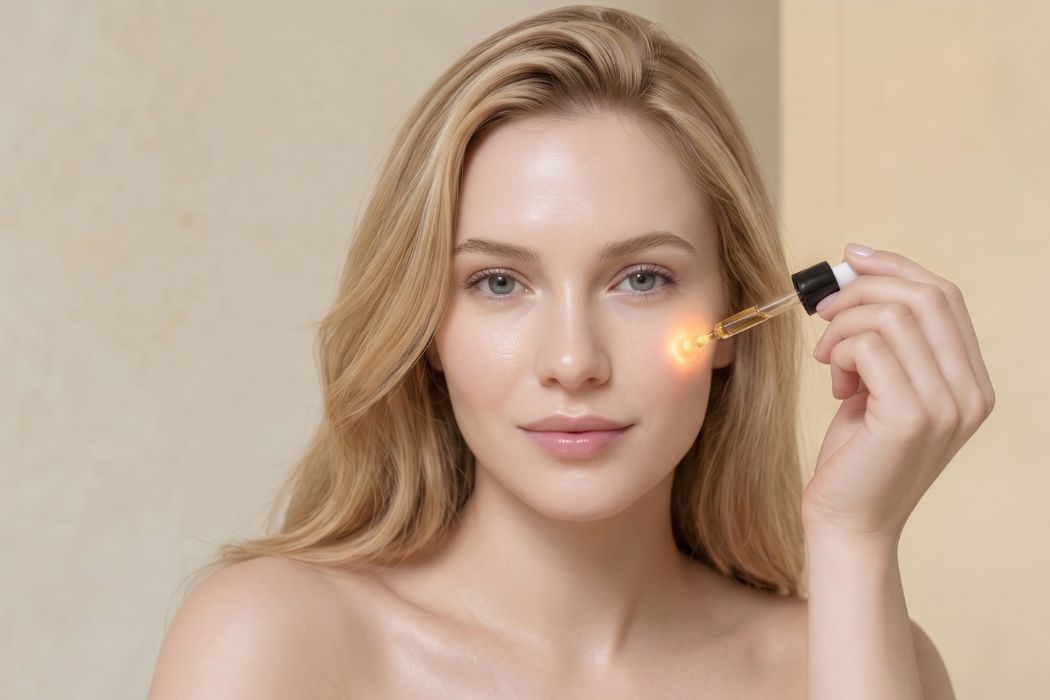
PDRN, or polydeoxyribonucleotide, is a DNA-derived polynucleotide preparation studied mainly in human tissue repair, wound healing, skin and scar outcomes, musculoskeletal injections, and ophthalmic epithelial healing (Review).
PDRN and related polynucleotide preparations are most often studied in clinical contexts involving impaired tissue repair, Beauty and Skin Health, Hair Health, Joint Health, and Eye Health (Review). For skincare readers, the strongest evidence is not ordinary intact-skin topical serum use, but wound-bed repair, post-procedure skin repair, scar modulation, and intradermal aesthetic treatment (Research) (Review). Topical PDRN evidence exists, but human studies often do not disclose a clean mg, ppm, or percentage concentration that can be converted into an evidence-based cosmetic dose (Review).
Ingredient Identity
- Official name(s): Polydeoxyribonucleotide; closely related preparations include polynucleotides and highly purified polynucleotides (Review).
- Common abbreviations: PDRN; PN; PN-HPT in aesthetic-medicine contexts (Review).
- Classification: DNA-derived nucleotide polymer preparation used in tissue-repair, dermatology, ophthalmology, and musculoskeletal research contexts (Review).
- CAS number: No single universally applicable CAS number is established for all PDRN or PN preparations because materials vary by molecular length, source, and purification process (Review).
- Endogenous vs exogenous: PDRN is administered as an exogenous preparation, while its nucleotide components relate to naturally occurring DNA metabolism and repair pathways (Review).
Ingredient Snapshot
- Classification: PDRN is a DNA-derived polynucleotide preparation investigated for tissue repair, inflammatory signaling, and regenerative dermatology contexts (Review).
- Endogenous vs exogenous status: PDRN itself is exogenous, but its nucleotide fragments are related to normal cellular DNA building blocks (Review).
- Primary human research domains: Human studies have examined diabetic foot ulcers, pressure ulcers, donor-site healing, scar appearance, knee osteoarthritis, plantar fasciitis, lateral epicondylitis, corneal epithelial healing, aesthetic skin quality, and female pattern hair loss (Research) (Research).
- Common study formats: Published evidence includes randomized controlled trials, prospective clinical studies, retrospective clinical studies, systematic reviews, and aesthetic-medicine consensus reports (Review).
- Pharmacokinetic characterization status: Human pharmacokinetic markers such as Tmax and half-life are not well characterized in the available clinical literature compared with outcome-based wound, skin, and injection studies (Review).
- Regulatory context: In the United States, cosmetics generally do not require FDA premarket approval except for color additives, and this should not be interpreted as FDA approval of therapeutic or injectable PDRN products (FDA). Drugs generally require FDA review for safety and effectiveness before approval, which is a different pathway from cosmetic ingredient use (FDA).
- Evidence maturity: The overall human evidence is Limited / Mixed, with stronger clinical signals in wound repair and post-procedure tissue healing than in consumer-style topical skincare or oral ingestion (Research) (Review).
Introduction
PDRN is a purified mixture of DNA-derived fragments studied as a biologically active material in tissue repair, inflammatory signaling, and regenerative medicine contexts (Review). It is often discussed alongside polynucleotides, although PN, PDRN, and PN-HPT preparations can differ in molecular size, source material, purification, and intended use (Review).
People often search for PDRN because it appears in skincare, post-procedure skin care, scar care, hair and scalp treatments, and “skin booster” aesthetic medicine discussions (Review). Human studies have mainly examined PDRN or PN in wound healing, intradermal aesthetic treatment, scar appearance, joint injections, tendon-related pain, eye-surface healing, and scalp outcomes rather than ordinary daily topical cosmetic use alone (Research) (Research).
This article is informational only, describes PDRN as a biochemical substance studied in human research, and does not provide medical or dosing advice (FDA).
Quick Summary
- PDRN is a DNA-derived polynucleotide preparation studied in humans mainly for tissue repair, wound healing, ophthalmic healing, musculoskeletal injections, skin-related outcomes, and scalp outcomes (Review).
- For skincare readers, the strongest human evidence involves wound-bed repair, post-procedure skin repair, scar modulation, and intradermal aesthetic treatment, not ordinary topical serum use on intact skin (Research) (Review).
- Human trials in diabetic foot ulcers and pressure ulcers reported improved healing outcomes with injectable or local PDRN protocols, but these are clinical wound contexts rather than cosmetic skincare studies (Research) (Research).
- Aesthetic-medicine research has examined PN or PDRN injections for skin texture, elasticity, hydration, wrinkles, scars, erythema, and skin quality, but many studies are small or procedure-based (Review).
- Topical PDRN evidence exists mainly in wound, disrupted-skin, procedure-assisted, or preclinical settings, so claims about intact-skin cosmetic serums should be made cautiously (Research) (Research).
- Human scalp evidence includes a study of PDRN alone and PRP plus PDRN in women with female pattern hair loss, where outcomes were hair count and hair thickness rather than reproductive function (Research).
- Oral or ingestible PDRN is not strongly represented in the verified human clinical evidence used here, so ingestion is not treated as a well-established route for skin outcomes (Review).
Human Research Findings by Condition
Beauty and Skin Health
Human research on Beauty and Skin Health includes donor-site healing, scar appearance, intradermal aesthetic treatment, PN-HPT skin rejuvenation, PN plus hyaluronic acid protocols, and post-procedure skin repair (Research) (Review). The evidence is most developed for disrupted-skin, wound-related, scar-related, and intradermal aesthetic contexts, while ordinary intact-skin topical use remains less directly supported by human trials (Review).
Key human study
Dose studied: One vial daily by intramuscular use plus subcutaneous administration every 3 days, as described in the study abstract.
Population: Adults undergoing skin graft donor-site procedures.
Duration: 10 days.
Researchers evaluated PDRN in skin graft donor-site healing, which is relevant to skin repair but not equivalent to daily topical cosmetic use on intact skin (Research). The study reported faster re-epithelialization in the PDRN group than in the control group (Research).
Result: Randomized human trial reported a statistically significant improvement
Evidence strength: Limited
Study source: (Research)
Additional human study
Dose studied: Early postoperative injections on postoperative days 1 and 2.
Population: Thyroidectomy patients.
Duration: 3 months.
A randomized clinical trial studied PDRN injections for postoperative thyroidectomy scar appearance (Research). The study reported improvements in several scar-related measures, including vascularity, while the total scar score difference was less definitive (Research).
Result: Randomized human trial reported a statistically significant improvement
Evidence strength: Limited
Study source: (Research)
Additional human study
Dose studied: Intradermal PN or PN-HPT treatment protocols, with exact protocol varying by study.
Population: Aesthetic-medicine patients.
Duration: Follow-up varied across studies.
A systematic review of polynucleotides in esthetic medicine summarized small studies evaluating wrinkles, skin texture, elasticity, and skin quality (Review). The review concluded that evidence suggested possible aesthetic improvements but remained limited by small samples and study-quality constraints (Review).
Result: Human clinical studies reported mixed findings
Evidence strength: Limited / Mixed
Study source: (Review)
Hair Health
Human evidence for Hair Health is limited but directly relevant to scalp and hair-density outcomes (Research). One clinical study examined PDRN alone and platelet-rich plasma plus PDRN in women with female pattern hair loss, measuring hair count and hair thickness rather than reproductive, fertility, or hormonal endpoints (Research).
Key human study
Dose studied: 12 weekly intra-perifollicular PDRN treatment sessions; the combination group also received one platelet-rich plasma session.
Population: Women with female pattern hair loss.
Duration: 12 treatment sessions.
Researchers compared PDRN alone with platelet-rich plasma plus PDRN for female pattern hair loss (Research). Both groups showed improvement from baseline in hair count and hair thickness, while the combination group showed greater improvement in hair thickness than PDRN alone (Research).
Result: Human clinical study reported a modest improvement
Evidence strength: Limited
Study source: (Research)
Diabetes and Glycemic Control
Human evidence in Diabetes and Glycemic Control is not about lowering blood glucose, but about diabetic complications involving impaired wound healing (Research). The main clinical evidence comes from diabetic foot ulcer studies, where PDRN was evaluated as a tissue-repair intervention in people with diabetes-related ulcers (Research).
Key human study
Dose studied: 5.625 mg intramuscularly 5 days per week plus 5.625 mg perilesionally 2 days per week.
Population: Adults with Wagner grade 1 or 2 diabetic foot ulcers.
Duration: 8 weeks.
A randomized, double-blind, placebo-controlled trial examined PDRN in people with chronic diabetic foot ulcers (Research). The PDRN group had a higher rate of complete ulcer healing than the placebo group in this trial (Research).
Result: Randomized human trial reported a statistically significant improvement
Evidence strength: Moderate
Study source: (Research)
Additional human study
Dose studied: 5.625 mg intramuscularly 5 days per week plus 5.625 mg perilesionally 2 days per week.
Population: Patients with non-healing diabetic foot ulcers.
Duration: 2 weeks before a secondary procedure.
A prospective randomized study examined tissue oxygenation and wound biology markers in non-healing diabetic foot ulcers (Research). The study reported improved transcutaneous oxygen tension and tissue features related to inflammation and angiogenesis in the PDRN group (Research).
Result: Human studies observed short-term physiological effects
Evidence strength: Limited
Study source: (Research)
Pain and Acute Inflammation
Human studies in Pain and Acute Inflammation have evaluated PDRN or PN injections in plantar fasciitis, lateral epicondylitis, and tendon or ligament disorders (Research) (Research). The evidence is clinically interesting but remains mixed because studies vary in comparator, injection protocol, follow-up duration, and outcome measures (Review).
Key human study
Dose studied: PDRN injection protocol; exact mg amount was not captured in the PubMed abstract.
Population: Patients with plantar fasciitis.
Duration: 6 months.
A prospective randomized clinical study compared PDRN injection with corticosteroid injection in plantar fasciitis (Research). Corticosteroid treatment had stronger short-term pain effects, while outcomes were not clearly different at 6 months (Research).
Result: Human clinical studies reported mixed findings
Evidence strength: Mixed
Study source: (Research)
Additional human study
Dose studied: PDRN injection plus extensor strengthening exercise.
Population: Patients with lateral epicondylitis.
Duration: 12 weeks.
A randomized controlled trial examined PDRN with an extensor strengthening program in lateral epicondylitis (Research). The combined PDRN and exercise group improved elbow function and ultrasound tendon-depth measures more than exercise alone (Research).
Result: Randomized human trial reported a statistically significant improvement
Evidence strength: Limited
Study source: (Research)
Joint Health
Human research in Joint Health has focused mainly on intra-articular polynucleotide or PDRN-related injections for knee osteoarthritis (Research). A meta-analysis of randomized studies evaluated efficacy and safety, but the evidence base remains constrained by study size and comparator differences (Review).
Key human study
Dose studied: Five weekly intra-articular injections.
Population: Patients with knee osteoarthritis.
Duration: 16 weeks.
A randomized double-blind trial compared intra-articular polynucleotide gel with hyaluronan in knee osteoarthritis (Research). Both groups showed improvement in pain and KOOS outcomes, and the study reported no significant adverse events in either group (Research).
Result: Human clinical study reported a modest improvement
Evidence strength: Limited / Moderate
Study source: (Research)
Additional human study
Dose studied: Intra-articular hyaluronic acid plus PDRN protocol.
Population: Patients with knee osteoarthritis.
Duration: Clinical follow-up period described in the trial.
A randomized clinical trial evaluated hyaluronic acid combined with PDRN for knee osteoarthritis (Research). The study is relevant to combination injection protocols, but it does not isolate PDRN as a single independent exposure (Research).
Result: Human clinical study reported a modest improvement
Evidence strength: Limited
Study source: (Research)
Eye Health
Human research in Eye Health includes ophthalmic PDRN drops after photorefractive keratectomy, where the outcome was corneal epithelial repair rather than cosmetic skin change (Research). This evidence supports route-specific tissue-healing interest but should not be generalized to oral or topical skincare without direct studies (Research).
Key human study
Dose studied: PDRN eye drops four times daily; the PubMed abstract did not specify concentration.
Population: 60 eyes after photorefractive keratectomy.
Duration: Early post-procedure healing period.
A randomized, double-blind, placebo-controlled trial studied PDRN eye drops after photorefractive keratectomy (Research). The study reported faster corneal epithelial healing in the PDRN group than in the placebo group (Research).
Result: Randomized human trial reported a statistically significant improvement
Evidence strength: Limited
Study source: (Research)
Dosage & Study Snapshot (Research Context)
PDRN and related PN studies use route-specific exposure formats, including topical or wound-bed application, procedure-assisted topical delivery, intradermal aesthetic injection, ophthalmic drops, perilesional or intramuscular wound protocols, and intra-articular musculoskeletal injections (Research) (Research). These routes should not be compared as if the same milligram amount has the same biological meaning across skin, eye, joint, wound, or oral exposure (Review). In the verified human evidence used here, ordinary oral or ingestible PDRN was not supported by enough direct human dose studies to build a developed oral dose band (Review).
Topical / Skin-Application Exposure
Intact-skin topical PDRN creams, serums, masks, and ampoules:
Human clinical studies do not yet establish a clear mg, ppm, or percentage range for ordinary topical PDRN applied to intact facial skin. Skincare-relevant studies exist, but many use intradermal injection, wound-bed exposure, post-procedure skin, microneedling-assisted delivery, or combination formulas, and several do not disclose a simple topical PDRN concentration that can be converted into a consumer-facing dose (Review) (Review).
For readers comparing skincare products, this means label concentration should be interpreted cautiously. A product’s PDRN amount may describe formulation content, but it does not prove that the same amount has been clinically tested on intact facial skin or that it reaches relevant skin layers in the same way as procedure-assisted or injectable studies (Research).
Result: Inconclusive
Evidence strength: Emerging
Notes / limitations: Human topical dose-response evidence for intact facial skin is not yet standardized or clearly disclosed.
Procedure-assisted topical PDRN mixture:
A preclinical study evaluated a topical mixture containing PDRN, vitamin C, and niacinamide delivered with a microneedling system in a UVB-photoaged animal model (Research). This exposure model is relevant to skincare because it combines topical application with barrier-disrupting delivery, but it is not the same as applying a serum to intact skin (Research). The study reported changes in photoaging and pigmentation-related markers in an experimental model, not a human cosmetic population (Research).
Result: Preliminary signal
Evidence strength: Emerging
Notes / limitations: Procedure-assisted preclinical evidence does not establish an effective topical mg range for human facial skincare.
PDRN cream in experimental skin-wound models:
A preclinical study compared PDRN cream with PDRN injection in full-thickness skin defects (Research). The study is relevant to topical formulation development because it examined a cream format in a skin-repair model (Research). The model involved skin injury rather than intact cosmetic skin, so the result should be interpreted as wound-repair evidence rather than daily skincare evidence (Research).
Result: Preliminary signal
Evidence strength: Emerging
Notes / limitations: This was not a human intact-skin cosmetic trial.
PDRN in donor-site skin repair over 10 days:
A randomized human study evaluated PDRN in skin graft donor-site repair over 10 days (Research). The PubMed abstract describes daily intramuscular use plus repeated subcutaneous administration, making this a clinical skin-repair protocol rather than a simple topical cream protocol (Research). The study reported improved re-epithelialization, which is relevant to skin recovery after injury or procedure-related disruption (Research).
Result: Statistically significant improvement
Evidence strength: Limited
Notes / limitations: The exposure involved clinical administration in wounded skin rather than routine topical skincare.
Intradermal / Aesthetic Injection Exposure
Intradermal PN or PN-HPT skin-rejuvenation protocols:
Clinical studies and systematic reviews have examined intradermal PN or PN-HPT for skin quality, wrinkles, hydration, texture, and elasticity (Review). These studies are directly relevant to aesthetic medicine but are not equivalent to topical cosmetic use because they involve injection into or near the dermis (Review). Reported improvements across studies are generally promising but limited by small sample sizes, heterogeneity, and study-design constraints (Review).
Result: Mixed findings
Evidence strength: Limited / Mixed
Notes / limitations: The evidence is more applicable to aesthetic procedures than to topical products.
PN plus hyaluronic acid aesthetic protocols:
PN or PN-HPT has been studied together with hyaluronic acid in facial aesthetic protocols (Research). A split-face study of PN-HPT priming followed by hyaluronic acid evaluated nasolabial fold and skin-quality outcomes over 6 months (Research). Combination designs are clinically relevant but make it difficult to isolate the contribution of PN or PDRN from hyaluronic acid (Research).
Result: Modest improvement
Evidence strength: Limited
Notes / limitations: Combination treatment limits ingredient-specific interpretation.
Postoperative scar-injection protocols:
A randomized clinical trial studied PDRN injections on postoperative days 1 and 2 after thyroidectomy (Research). The study evaluated scar appearance over 3 months and reported improvements in several scar-related measures (Research). This protocol is relevant to scar modulation and post-procedure skin appearance, but it is not a topical or oral skincare exposure (Research).
Result: Statistically significant improvement
Evidence strength: Limited
Notes / limitations: Findings come from postoperative scar care and should not be generalized to all scars.
Hair / Scalp Injection Exposure
12 weekly intra-perifollicular PDRN sessions:
A clinical study evaluated 12 weekly intra-perifollicular PDRN sessions in women with female pattern hair loss, with one comparison group also receiving PRP (Research). Both PDRN alone and PRP plus PDRN were associated with improvements from baseline in hair count and hair thickness (Research). The PRP plus PDRN group showed greater improvement in hair thickness, but the combination design limits interpretation of PDRN’s independent contribution (Research).
Result: Modest improvement
Evidence strength: Limited
Notes / limitations: The evidence is scalp-injection research, not topical hair-serum evidence.
Oral / Ingested Exposure
Oral or ingestible PDRN exposure:
The verified human evidence used for this article did not provide enough direct oral or ingestible PDRN clinical studies with clear dose, formulation, duration, and outcomes to create an evidence-based oral dose band (Review). Oral nucleotide digestion, absorption, and systemic exposure cannot be assumed to match injection, topical, ophthalmic, or wound-bed use (Review). Oral PDRN should therefore be described as insufficiently characterized unless future direct human ingestion studies are added (Review).
Result: Inconclusive
Evidence strength: Emerging
Notes / limitations: No article dosing recommendation should be inferred from non-oral routes.
Ophthalmic and Other Clinical Routes
PDRN eye drops four times daily after PRK:
A randomized trial studied PDRN eye drops used four times daily after photorefractive keratectomy (Research). The outcome was corneal epithelial healing, which is a mucosal and ocular tissue-repair context rather than skin rejuvenation (Research). The trial reported faster corneal re-epithelialization in the PDRN group compared with placebo (Research).
Result: Statistically significant improvement
Evidence strength: Limited
Notes / limitations: The concentration was not captured in the PubMed abstract.
Injectable Wound and Musculoskeletal Exposure
5.625 mg intramuscular plus 5.625 mg perilesional PDRN for diabetic foot ulcers:
A diabetic foot ulcer trial studied 5.625 mg intramuscular PDRN 5 days per week plus 5.625 mg perilesional PDRN 2 days per week for 8 weeks (Research). The study population had chronic diabetic foot ulcers, which is a clinical wound setting rather than cosmetic skincare (Research). The trial reported a higher complete healing rate with PDRN than with placebo (Research).
Result: Statistically significant improvement
Evidence strength: Moderate
Notes / limitations: This is a medically supervised wound protocol, not a consumer skincare dose.
PDRN injection for pressure ulcers:
A randomized controlled trial evaluated injectable PDRN in patients with pressure ulcers (Research). The study reported reduced wound size and improved pressure-ulcer healing scores compared with control (Research). The abstract also reported no adverse effects during treatment, which is relevant to tolerability in this specific setting (Research).
Result: Statistically significant improvement
Evidence strength: Limited / Moderate
Notes / limitations: Evidence applies to pressure-ulcer care rather than general cosmetic use.
Five weekly intra-articular injections for knee osteoarthritis:
A randomized double-blind trial studied five weekly intra-articular polynucleotide injections in knee osteoarthritis (Research). The trial reported improvements in pain and KOOS outcomes that were similar to hyaluronan over follow-up (Research). This route is relevant to joint research but should not influence skincare or oral exposure interpretation (Research).
Result: Modest improvement
Evidence strength: Limited / Moderate
Notes / limitations: Intra-articular injection is route-specific and not comparable to topical or oral exposure.
Key Takeaways from Human Research
- PDRN has its clearest human clinical signal in tissue-repair settings such as diabetic foot ulcers, pressure ulcers, donor-site healing, and corneal epithelial healing (Research) (Research).
- For skincare-oriented readers, the most relevant human evidence involves post-procedure repair, scars, intradermal aesthetic treatment, PN-HPT, PN plus hyaluronic acid, and hair/scalp studies rather than simple topical serums (Research) (Review).
- Topical PDRN evidence is more preliminary than injection-based evidence, and many topical studies involve disrupted skin, microneedling, wound models, or preclinical systems (Research) (Research).
- The most honest topical-dose conclusion is that human skincare studies do not yet establish a clear mg, ppm, or percentage range for intact facial skin (Review) (Review).
- Hair Health evidence includes one human study of intra-perifollicular PDRN, alone or with PRP, in women with female pattern hair loss (Research).
- Musculoskeletal studies report mixed to modest results in knee osteoarthritis, plantar fasciitis, lateral epicondylitis, and tendon or ligament disorders (Research) (Review).
Origin & Natural Occurrence
PDRN preparations are derived from DNA fragments rather than from a single small-molecule nutrient (Review). Reviews describe PDRN as a mixture of deoxyribonucleotide polymers used in tissue-repair research and clinical contexts (Review).
PDRN is not generally treated in the human literature as a dietary nutrient with ordinary food-intake ranges (Review). The relevant biological building blocks are nucleotides, but the clinical and aesthetic literature concerns purified PDRN or PN preparations rather than food-derived nucleotide intake (Review).
Manufacturing and formulation matter because PN, PDRN, PN-HPT, topical mixtures, gels, injections, and ophthalmic drops can differ in molecular size, viscosity, purity, route, and intended tissue exposure (Review). These formulation differences are especially important when interpreting skincare claims because intradermal, wound-bed, and topical intact-skin exposure are not interchangeable (Review).
How It Behaves in the Body
In plain terms, PDRN is studied as a source of DNA building-block fragments that may support tissue repair environments under certain conditions (Review). Reviews commonly describe two broad mechanisms: providing nucleotide material through salvage pathways and activating signaling pathways related to tissue repair and inflammation control (Review).
The best-known proposed signaling mechanism involves the adenosine A2A receptor, a receptor involved in inflammatory and repair responses (Review). Reviews describe PDRN as an A2A receptor agonist in experimental and clinical tissue-repair literature, although the degree to which this explains every human outcome is not fully settled (Review).
The salvage-pathway idea means that nucleotide fragments may be reused by cells rather than synthesized entirely from scratch, which may matter during tissue repair when cells are actively dividing or remodeling tissue (Review). This explanation is biologically plausible, but consumer-facing skincare claims require more direct human evidence than mechanism alone can provide (Review).
For skin, the human evidence is strongest where the skin barrier is disrupted or where PDRN/PN is delivered intradermally, such as wounds, donor sites, scars, or aesthetic injections (Research) (Review). Evidence is weaker for ordinary topical application to intact skin because penetration, polymer size, and formulation all influence whether the material can reach relevant tissue layers (Review).
Absorption & Delivery Formats
Oral immediate-release: Direct human oral PDRN evidence with clear dose-response information was not well represented in the verified evidence base used for this article (Review). Oral exposure should not be assumed to reproduce injection, topical, ophthalmic, or wound-bed effects because digestion and absorption differ by route (Review).
Oral extended-release: No well-characterized human extended-release oral PDRN dose studies were included in the verified evidence set (Review). This makes extended-release ingestion unsuitable for evidence-based dose discussion in this article (Review).
Sublingual: No verified human sublingual PDRN studies were identified in the evidence set used for this article (Review). Claims about sublingual absorption would require direct route-specific human evidence (Review).
Transdermal / topical: Topical and skin-application evidence includes preclinical PDRN cream, microneedling-assisted topical mixtures, and skin-repair contexts where the barrier is disrupted (Research) (Research). Human skincare evidence is more robust for wound or procedure-related skin repair than for intact-skin topical cosmetic products (Research).
Injectable / intradermal: Human studies used intramuscular, perilesional, subcutaneous, intradermal, intra-articular, and peri-tissue injection protocols depending on the indication (Research) (Research). These routes are medical or aesthetic-procedure contexts and should not be converted into consumer self-use instructions (FDA).
Ophthalmic: PDRN eye drops have been studied after photorefractive keratectomy, where they were used four times daily in a randomized trial (Research). This route is relevant to eye-surface healing but does not establish skin or oral effects (Research).
Quick Facts at a Glance
Onset reported: Human onset information is mainly outcome-specific rather than pharmacokinetic, with some studies measuring early wound or epithelial repair over days to weeks (Research) (Research). Skin and aesthetic outcomes are usually assessed over weeks to months rather than hours (Review).
Time to peak (Tmax): A clear human Tmax for PDRN was not established in the verified clinical evidence set (Review). Most human studies report clinical outcomes rather than blood concentration curves (Review).
Half-life (t½): A route-specific human half-life was not clearly characterized in the clinical sources used here (Review). This is one reason route and formulation should be interpreted separately rather than merged into a single dose model (Review).
Typical duration: Human studies range from short post-procedure healing periods to 8-week wound protocols and 3- to 6-month aesthetic or scar follow-up periods (Research) (Research). Hair Health evidence included 12 weekly intra-perifollicular treatment sessions in women with female pattern hair loss (Research).
Absorption routes studied: Studied routes include topical or wound-bed exposure, intradermal or subcutaneous injection, intramuscular and perilesional injection, intra-articular injection, intra-perifollicular scalp injection, and ophthalmic drops (Research) (Research). Oral and sublingual human dose-response routes were not well supported in the verified evidence set (Review).
Formulation differences: PN, PDRN, PN-HPT, gels, creams, eye drops, and combination products may differ in molecular size, viscosity, route, and delivery behavior (Review). These differences matter because intradermal aesthetic treatment cannot be assumed to behave like topical intact-skin application (Review).
Variability drivers: Study results may vary by route, wound status, skin-barrier disruption, comparator, molecular size, product purity, injection depth, and combination with other materials such as hyaluronic acid or PRP (Review) (Research). These variables make cross-study comparisons difficult (Review).
Tolerance / adaptation: The verified human evidence did not provide a clear tolerance or adaptation profile for repeated PDRN exposure (Review). Repeated-use interpretation should therefore be based on specific study protocols rather than a general tolerance claim (Review).
Evidence strength snapshot: Human evidence is moderate for some wound-healing contexts, limited to mixed for aesthetic skin and musculoskeletal contexts, and emerging for topical intact-skin, oral ingestion, and scalp contexts (Research) (Review). This pattern reflects the fact that many studies are small, route-specific, or procedure-based (Review).
Other Physiological Contexts Studied (If Applicable)
- PDRN has been reviewed in inflammation-related tissue repair, with proposed activity involving adenosine A2A receptor signaling and inflammatory modulation (Review).
- Dental and oral-regeneration literature has discussed PDRN in tissue-repair contexts, but this evidence is separate from consumer skincare and should not be merged with facial topical use (Review).
- Tissue-engineering reviews describe PDRN as a regenerative material of interest, but much of that literature is experimental rather than direct human cosmetic evidence (Review).
- Formulation research has examined interactions between PDRN and isotonic agents, which may matter for injectable or ophthalmic preparation behavior but does not directly prove clinical efficacy (Research).
Safety, Interactions & Regulation
Several human studies reported generally favorable tolerability in the specific clinical settings studied, including diabetic foot ulcers, pressure ulcers, donor-site healing, knee osteoarthritis, and eye-surface repair (Research) (Research). These tolerability findings should be interpreted by route because sterile injection, topical application, ophthalmic drops, and wound-bed use have different safety considerations (Review).
The pressure-ulcer randomized trial reported no adverse effects during treatment in the abstract (Research). The knee osteoarthritis trial reported no significant adverse events in either the polynucleotide or hyaluronan groups (Research). The corneal healing trial reported no adverse events in the PubMed abstract (Research).
Interaction evidence is not well developed for consumer use, and the verified evidence set did not establish a clear drug-interaction profile for PDRN (Review). Combination studies with hyaluronic acid or PRP are common in aesthetic settings, but those studies evaluate combined procedures rather than ordinary supplement interactions (Research) (Research).
Population cautions depend on route and setting because injections, eye drops, wound use, and topical cosmetics carry different risk profiles (FDA). Injectable or ophthalmic use should be interpreted as medical or clinician-administered research context rather than self-directed consumer use (FDA).
In the United States, FDA states that cosmetic products and ingredients generally do not require FDA premarket approval except for color additives, so cosmetic availability should not be interpreted as FDA approval of PDRN for treatment claims (FDA). FDA also states that drugs generally require review for safety and effectiveness before approval, which is a separate pathway from cosmetics (FDA).
In the European Union, the European Commission CosIng database lists a cosmetic ingredient entry for sodium DNA/RNA, which provides cosmetic ingredient database context but does not establish therapeutic authorization for PDRN products (European Commission). The European Commission states that cosmetic products placed on the EU market must be safe and undergo expert safety assessment, which is a general cosmetics requirement rather than ingredient-specific clinical approval (European Commission).
Evidence Overview
The overall human evidence for PDRN is strongest in tissue repair and wound-related clinical contexts, more limited but active in Beauty and Skin Health and Hair Health, and mixed in Joint Health and Pain and Acute Inflammation (Research) (Review). The skincare-relevant evidence is not absent, but it is concentrated in donor-site healing, scar modulation, intradermal aesthetic procedures, PN-HPT, PN plus hyaluronic acid, and combination protocols rather than ordinary topical serum trials (Research) (Research). Confidence is not higher because many studies are small, route-specific, procedure-based, or use combination treatments that make ingredient-specific interpretation difficult (Review).
In diabetic foot ulcers, a randomized placebo-controlled trial reported higher complete healing with PDRN than placebo, and a second randomized study reported improved oxygenation and wound-biology measures in non-healing diabetic foot ulcers (Research) (Research). These findings support interest in PDRN as a tissue-repair agent, but they should not be generalized to intact facial skin without direct topical cosmetic studies (Research).
In aesthetic dermatology, the evidence includes clinical studies and reviews of PN or PDRN for skin quality, wrinkles, elasticity, hydration, scars, erythema, and hair outcomes (Review) (Research). This literature is relevant to skincare readers because it addresses visible skin and scalp outcomes, but much of it involves intradermal injection or combination procedures rather than simple topical use (Review).
Topical PDRN evidence is biologically plausible but less mature in direct human cosmetic terms (Research) (Research). Preclinical topical and microneedling-assisted studies support formulation interest, while human donor-site data support skin repair in disrupted tissue rather than intact-skin skincare claims (Research).
Musculoskeletal evidence includes knee osteoarthritis, plantar fasciitis, lateral epicondylitis, and tendon or ligament disorders (Research) (Review). The findings are mixed to modest, with important differences in comparator treatments, injection protocols, and outcome time points (Research).
Future confidence would be strengthened by larger randomized trials, better route-specific pharmacokinetic data, direct intact-skin topical studies, oral ingestion studies with clear formulations, and trials that isolate PDRN from combination treatments (Review) (Review).
Evidence Confidence Classification
Limited / Mixed is the overall human evidence classification for PDRN because the ingredient has multiple human studies, but many are small, route-specific, procedure-based, or focused on clinical wounds rather than everyday skincare use (Research) (Review).
The evidence is strongest for wound repair and post-procedure epithelial repair, where randomized human studies report improvements in diabetic foot ulcers, pressure ulcers, donor-site healing, and corneal re-epithelialization (Research) (Research). The evidence is more limited for Beauty and Skin Health because many studies involve intradermal PN/PDRN procedures, combination treatments, small samples, or preclinical topical models rather than large topical cosmetic trials (Review). The evidence for Hair Health is limited because it currently rests on a small scalp-treatment study using PDRN alone and PRP plus PDRN in women with female pattern hair loss (Research). The evidence for oral or ingestible PDRN remains insufficiently characterized in the verified human evidence set used here (Review).
Similar Ingredients & Comparators
Similar supplement-style or aesthetic ingredients:
- Hyaluronic acid
- Collagen peptides
- PRP-related autologous preparations
- Exosomes or extracellular vesicle preparations
- Growth-factor-containing cosmetic ingredients
- Centella asiatica derivatives
- Niacinamide
- Vitamin C
- Retinoids
- Peptides used in cosmetic formulas
- Nucleotides or nucleotide-rich materials
Medical / pharma comparator categories:
- Wound-healing drugs and dressings
- Ophthalmic epithelial-healing agents
- Intra-articular viscosupplementation agents
- Corticosteroid injections
- Scar-management procedures
- Injectable aesthetic biostimulators
Combination Context
PDRN + Hyaluronic Acid:
PDRN or PN has been studied with hyaluronic acid in knee osteoarthritis and aesthetic facial protocols (Research) (Research). These combinations are relevant because hyaluronic acid provides hydration, viscoelastic, or filler-related properties, while PN/PDRN is studied for tissue-repair signaling and skin-quality outcomes (Review). Combination studies cannot fully isolate the contribution of PDRN from hyaluronic acid (Research).
PDRN + PRP:
PDRN has been studied with platelet-rich plasma in female pattern hair loss, where PRP plus PDRN was compared with PDRN alone (Research). The combination group showed greater improvement in hair thickness, but the study design means the result should be interpreted as a combination finding rather than a pure PDRN effect (Research).
PDRN + Vitamin C + Niacinamide:
A preclinical photoaging study evaluated a topical mixture of PDRN, vitamin C, and niacinamide delivered with a microneedling system (Research). This combination is relevant to skincare formulation interest, but the evidence is preclinical and procedure-assisted rather than a human intact-skin topical cosmetic trial (Research).
PDRN + Exercise Rehabilitation:
A randomized controlled trial studied PDRN with extensor strengthening exercise in lateral epicondylitis (Research). The combined approach improved elbow function and ultrasound measures compared with exercise alone, but the finding applies to a rehabilitation context rather than skincare (Research).
Polynucleotides + Acellular Dermal Matrix + Hyaluronic Acid:
A clinical study evaluated a combination including acellular porcine dermis, hyaluronic acid, and polynucleotides in cutaneous ulcers (Research). This is relevant to skin-repair research, but the multi-component design prevents clear attribution to polynucleotides alone (Research).
FAQ
What is PDRN?
PDRN is a mixture of DNA-derived nucleotide polymers studied in tissue repair, wound healing, skin-related outcomes, musculoskeletal injections, ophthalmic healing, and scalp outcomes (Review). It is often discussed with broader polynucleotide preparations, although PN and PDRN can differ by molecular size and formulation (Review). It is not best understood as an ordinary dietary vitamin or mineral because most human evidence concerns purified clinical or aesthetic preparations (Review).
What does human research study PDRN for?
Human research studies PDRN or related PN preparations for impaired wound healing, diabetic foot ulcers, pressure ulcers, donor-site healing, scars, skin quality, knee osteoarthritis, plantar fasciitis, lateral epicondylitis, corneal epithelial healing, and female pattern hair loss (Research) (Research). Skincare-facing studies are mostly post-procedure, intradermal, scar-related, scalp-related, or combination-based rather than ordinary topical serum studies (Review). Oral ingestion was not strongly represented in the verified human evidence used for this article (Review).
What are the best-supported uses?
The best-supported human research areas are wound repair and tissue-healing contexts, especially diabetic foot ulcers, pressure ulcers, donor-site healing, and post-procedure epithelial repair (Research) (Research). Beauty and Skin Health evidence is meaningful but more limited because many studies are small, injection-based, or combination-based (Review). Hair Health evidence is limited and currently based on scalp-treatment research rather than topical hair-product trials (Research).
Where is evidence mixed or limited?
Evidence is mixed or limited for topical intact-skin skincare, oral ingestion, musculoskeletal pain conditions, and some aesthetic uses (Review) (Review). Many aesthetic studies involve intradermal procedures, PN-HPT, hyaluronic acid combinations, or small study populations (Review). Topical evidence is often preclinical, wound-related, or procedure-assisted, so it should not be overstated for daily cosmetic serum use (Research).
Why is PDRN studied for skin repair?
PDRN is studied for skin repair because it contains DNA-derived fragments that may act as repair-supporting building blocks and signaling molecules (Review). In simple terms, researchers think PDRN may help create a more repair-friendly environment for skin cells, including fibroblasts, which are cells involved in collagen and extracellular matrix formation (Review).
One proposed mechanism involves adenosine A2A receptor signaling, a pathway linked to inflammation control and tissue repair responses (Review). This mechanism helps explain why PDRN is studied in wound healing and post-procedure skin repair, but it does not prove that every topical PDRN product has the same effect on intact facial skin (Research) (Review).
How many mg of PDRN are used in topical skincare studies?
A clear mg amount or percentage for ordinary topical PDRN skincare cannot be confidently stated from the verified human literature used in this article. Some skincare-relevant studies exist, but many involve injections, wound-bed use, microneedling-assisted delivery, or combination protocols, and several do not disclose a simple topical concentration that can be converted into a consumer-facing mg amount (Review) (Review).
For topical skincare readers, the important distinction is that a product label showing PDRN in mg, ppm, or percent is not automatically equivalent to a clinically studied dose. The currently verified evidence does not establish a clear “effective topical mg” range for intact facial skin, because available studies often use disrupted skin, post-procedure delivery, intradermal administration, or formulas where the exact PDRN concentration is not clearly disclosed (Research) (Research).
The most accurate evidence-based answer is that topical PDRN concentration is not yet standardized in human skincare research. Future trials would need to disclose concentration, amount applied, treated surface area, frequency, duration, and whether the skin barrier was intact or procedure-treated before a reliable topical dose range could be summarized.
How quickly does PDRN act?
Reported timing depends on route and outcome because PDRN studies measure wound closure, epithelial healing, scar scores, skin quality, hair thickness, pain, or joint function rather than a single onset marker (Research) (Research). Some post-procedure healing studies assess changes over days, while scar and aesthetic studies often assess outcomes over weeks to months (Research) (Research). A general onset time for consumer skincare or oral use is not established in the verified evidence set (Review).
What affects absorption and variability?
Absorption and variability are affected by route, formulation, molecular size, skin-barrier status, injection depth, tissue condition, and combination with other materials (Review). Topical application to intact skin is different from application after microneedling or to wounded tissue because the skin barrier changes exposure (Research). Intradermal aesthetic procedures and intra-articular injections should not be interpreted as equivalent to topical or oral products (Review).
Is tolerance reported?
A clear tolerance or adaptation profile was not established in the verified human evidence set (Review). Several clinical studies reported favorable short-term tolerability in specific routes and populations, but those findings do not create a general long-term tolerance profile for all products (Research) (Research). Repeated exposure should therefore be interpreted only within the route and protocol studied (Review).
Why do studies disagree?
Studies can disagree because PDRN and PN preparations differ by molecular size, route, purity, viscosity, and delivery method (Review). Clinical outcomes also differ because wound healing, wrinkles, scar appearance, hair thickness, pain, tendon repair, and joint function are not the same biological endpoint (Review). Combination studies with hyaluronic acid, PRP, or microneedling make it harder to isolate the independent effect of PDRN (Research) (Research).
What ingredients is PDRN commonly combined with and why?
PDRN or PN is commonly studied with hyaluronic acid, PRP, vitamin C, niacinamide, and procedure-based delivery systems such as microneedling (Research) (Research). Hyaluronic acid combinations are used in aesthetic and joint contexts, while PRP combinations have been studied in hair-related outcomes (Research) (Research). These combinations are difficult to interpret ingredient-by-ingredient because each component may contribute to the observed outcome (Research).
What foods naturally contain PDRN?
The reviewed clinical literature does not treat PDRN as a food-derived ingredient with ordinary dietary intake ranges (Review). Nucleotides are natural biological building blocks, but purified PDRN or PN products are distinct from ordinary dietary nucleotide exposure (Review). This is why the article does not provide a food-source table for PDRN (Review).
How is PDRN regulated?
In the United States, cosmetics generally do not require FDA premarket approval except for color additives, so a cosmetic product containing a DNA/RNA-derived ingredient should not be described as FDA-approved on that basis alone (FDA). FDA states that drugs generally require review for safety and effectiveness before approval, which is a different regulatory pathway from cosmetics (FDA). In the European Union, CosIng lists sodium DNA/RNA as a cosmetic ingredient entry, and EU cosmetics are subject to safety assessment requirements before market placement (European Commission) (European Commission).
Resources
- Polydeoxyribonucleotide: A Promising Biological Platform to Accelerate Impaired Skin Wound Healing — PMC — https://pmc.ncbi.nlm.nih.gov/articles/PMC8618295/
- Polydeoxyribonucleotide: A Promising Biological Platform to Accelerate Impaired Skin Wound Healing and Tissue Repair — PMC — https://pmc.ncbi.nlm.nih.gov/articles/PMC5405115/
- Polydeoxyribonucleotide and inflammation — PMC — https://pmc.ncbi.nlm.nih.gov/articles/PMC7585621/
- PDRN in diabetic foot ulcers randomized trial — PubMed — https://pubmed.ncbi.nlm.nih.gov/24483158/
- PDRN in skin graft donor-site healing — PubMed — https://pubmed.ncbi.nlm.nih.gov/11759182/
- PDRN in female pattern hair loss — PubMed — https://pubmed.ncbi.nlm.nih.gov/25524027/
- Polynucleotides in Esthetic Medicine: A Systematic Review — PMC — https://pmc.ncbi.nlm.nih.gov/articles/PMC11845969/
- PN and PDRN for skin health review — PMC — https://pmc.ncbi.nlm.nih.gov/articles/PMC12388916/
- PDRN eye drops after photorefractive keratectomy — PubMed — https://pubmed.ncbi.nlm.nih.gov/15309972/
- FDA cosmetics authority — FDA — https://www.fda.gov/cosmetics/cosmetics-laws-regulations/fda-authority-over-cosmetics-how-cosmetics-are-not-fda-approved-are-fda-regulated
- FDA drug development and approval process — FDA — https://www.fda.gov/drugs/development-approval-process-drugs
- European Commission CosIng sodium DNA/RNA entry — European Commission — https://ec.europa.eu/growth/tools-databases/cosing/details/94968
- European Commission cosmetics sector guidance — European Commission — https://single-market-economy.ec.europa.eu/sectors/cosmetics_en
More from the Supplement Ingredients & Medical Ingredients Encyclopedia